A water leak does not always announce itself with a burst pipe or a puddle on the floor. Sometimes it starts quietly behind a wall, beneath a slab, under the garden or somewhere along an ageing pipe. By the time the problem becomes obvious, water may already have damaged building materials or pushed your water usage well above normal.
This is why Water Leak Detection Brisbane is an important part of looking after a home or commercial property. Finding a leak early gives you a better chance of dealing with the actual source before the problem spreads. It can also help prevent unnecessary water loss, higher bills and repairs that become more complicated simply because the leak was left unnoticed.
Why Water Leaks Can Be Difficult to Find
Not every plumbing leak happens where you can see it. A leaking tap is easy to notice because the water is visible, while a damaged pipe inside a wall can continue leaking without leaving an obvious trail. Underground pipework can be even harder to assess because the first visible sign may appear some distance away from the actual fault.
A concealed leak may slowly affect plasterboard, flooring, cabinetry, insulation or other parts of the property. You might notice a damp smell, a discoloured patch or an unexplained increase in your water bill before you ever see water. Queensland Government guidance also notes that concealed leaks can occur underground or within internal plumbing and recommends regularly checking water meter readings to help identify them early.
What Are the Common Signs of a Hidden Water Leak?
Your property can provide several clues when a plumbing leak is developing. None of these signs should automatically be treated as proof of a concealed leak, but a combination of them deserves attention. The sooner unusual changes are investigated, the easier it may be to identify where the water is going.
A sudden increase in water consumption is one of the most useful warning signs. If your household habits have stayed much the same but your bill has changed noticeably, there could be a plumbing issue somewhere on the property. Queensland Government advice recommends monitoring the water meter regularly because unexplained changes can help reveal leaks that are otherwise difficult to see.
Damp or discoloured areas can also point towards trouble. Look around ceilings, walls, floors, cupboards and areas close to plumbing fixtures. Warped flooring, bubbling paint, persistent musty smells and unexplained moisture should not simply be treated as cosmetic issues, particularly when there is plumbing behind or beneath the affected area.
Other warning signs include:
- An unexplained rise in water usage or a higher-than-usual water bill.
- A water meter that continues moving when every tap and water-using appliance is switched off.
- Damp patches, mould, staining or a musty smell inside the property.
- Areas of unusually wet soil, unusually green grass or water pooling outdoors.
- Sounds of running water when taps, toilets and appliances are not being used.
- Warped cupboards, flooring, walls or other materials near plumbing.
- Persistent problems around toilets, hot water systems, washing machines or outdoor taps.
How to Check Your Water Meter for a Possible Leak
One simple check can help you determine whether water is being used when nobody should be using it. Before starting, make sure taps are closed and avoid using toilets, washing machines, dishwashers, showers or other water-consuming fixtures during the test.
Record the reading on your water meter, then leave the property without using water for about an hour. Check the meter again afterwards. If the reading has changed despite no intentional water use, there may be a leak somewhere on the property. Queensland Government guidance recommends this type of meter check as an early way to investigate unexplained water use.
The meter test can tell you that water is being used, but it does not necessarily tell you exactly where the problem is. The source could be a toilet, tap, appliance connection, hot water system, underground pipe or concealed plumbing. Further investigation may therefore be required before any repair work begins.
Why a High Water Bill Should Not Be Ignored
A higher water bill does not always mean that you have a leak. Seasonal changes, extra household activity, visitors, irrigation and other changes in usage can all affect consumption. However, when the increase cannot be explained by normal changes around the property, checking for a leak is a sensible next step.
Small leaks can continue for long periods because they do not necessarily create dramatic damage straight away. Water may be escaping slowly while remaining hidden behind a surface or below ground. Over time, that constant loss can become expensive, especially when the leak remains undiscovered for weeks or months.
Queensland Government information explains that many household leaks are not easily detected and that regular meter checks can help identify them earlier. It also highlights that property owners are generally responsible for plumbing and fittings on their side of the water meter connection.
Where Water Leaks Commonly Develop
Water leaks can develop in many different parts of a property. Bathroom plumbing is one area worth checking because it contains several water connections, including toilets, basins, showers and pipework. Kitchens also have multiple connection points around sinks, dishwashers and other water-using appliances.
Laundry areas deserve attention as well. Washing machine hoses, taps and pipe connections can deteriorate or become loose. Outdoor plumbing should not be overlooked either, particularly garden taps, irrigation connections and underground pipework.
A professional water leak detection service becomes particularly useful when the visible signs do not clearly identify the source. Rather than opening walls, floors or other surfaces without knowing where the problem is, the investigation can focus on locating the likely area first.
What Happens During Professional Leak Detection?
The exact approach depends on the property and the suspected source of the leak. A plumber will generally begin by discussing the symptoms and looking at visible plumbing fixtures and areas showing signs of moisture. Water usage information and meter readings can also provide useful clues.
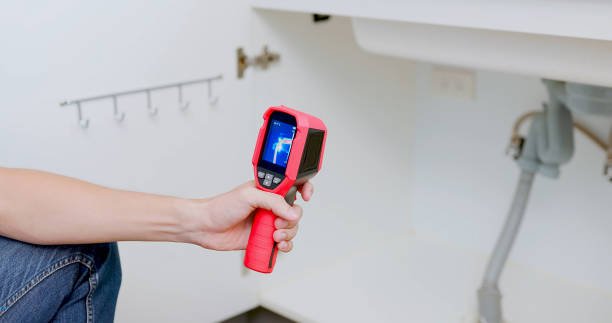
Where the leak is concealed, specialised leak detection methods may help narrow down its location without immediately resorting to unnecessary demolition. Depending on the circumstances, the investigation may involve pressure testing, acoustic methods or other diagnostic techniques suitable for the plumbing system.
The purpose is not simply to find wetness. The aim is to work towards identifying the source of the water loss so that an appropriate repair can be planned. This distinction matters because repairing the wrong area will not solve the underlying problem.
Water Leak Detection vs Waiting for Visible Damage
Waiting until water becomes visible may seem reasonable when there are no obvious signs of trouble. The difficulty is that concealed water can affect building materials before it reaches a location where you can see it. By then, the plumbing issue may have been active for some time.
Early investigation can help separate a minor fixture problem from a concealed pipe issue. For example, a continuously running toilet may require a very different repair from a leaking pipe beneath a concrete floor. Identifying the source first helps determine what needs to happen next.
It is also worth remembering that water damage can extend beyond the plumbing itself. Persistent moisture may affect flooring, cabinetry, plasterboard and other materials. Prompt attention does not guarantee that damage will be avoided, but it can reduce the amount of time a leak is left unchecked.
How Water Leak Detection Can Help Brisbane Property Owners
Brisbane properties can contain a mixture of older and newer plumbing systems, renovations, extensions and outdoor pipework. Every property is different, so a leak that is easy to identify in one home may be much harder to locate in another.
For homeowners, early detection can mean avoiding prolonged water wastage and dealing with a plumbing fault before it becomes a larger property problem. For landlords and property managers, unexplained moisture or unusual water consumption can also be a reason to arrange an inspection rather than waiting for a tenant to report serious damage.
Commercial properties have another consideration: water is often used across bathrooms, kitchens, equipment and other facilities. Queensland local government guidance recommends regular inspection and maintenance of water-using equipment in commercial settings, with specialist methods available for concealed pipework.
Practical Ways to Reduce the Risk of Water Leaks
Leak prevention is not about checking every pipe every day. It is about noticing changes and dealing with small plumbing problems before they become larger ones. Dripping taps, loose connections, constantly running toilets and damaged hoses should not be ignored simply because they appear minor.
Regularly checking water usage is another simple habit. A meter reading taken periodically can give you a better understanding of your normal consumption. If the pattern changes without an obvious reason, you have a useful early warning that something may need investigation.
Queensland Government waterwise guidance also recommends checking fixtures and monitoring water use as part of household leak awareness. It notes that leaks can occur around bathrooms, kitchens, laundries and outdoor plumbing, making a whole-property approach more useful than checking only one room.
Why DIY Leak Detection Has Limits
Basic checks are useful, particularly when you are trying to establish whether unexplained water usage is occurring. Checking the meter, looking for damp areas and inspecting visible fittings can provide valuable information without any specialist equipment.
The difficulty begins when the evidence points towards a concealed leak. A pipe beneath concrete, inside a wall or underground cannot always be inspected simply by looking at the surface. Guessing the location and removing materials can create additional costs without addressing the actual source.
If a meter test indicates unexplained water use and the visible fixtures appear normal, professional investigation can be a more practical next step. Queensland Government guidance recommends contacting a licensed plumber when further investigation is required to identify and repair a suspected leak.
A Simple Leak Investigation Checklist
| Check | What to Look For | What It May Indicate | Recommended Action |
| Water meter | Reading changes when no water is being used | Possible hidden water loss | Arrange further investigation |
| Water bill | Unexplained increase in consumption | Possible leak or change in usage | Compare with previous bills |
| Bathroom | Running toilet, damp areas or dripping fittings | Fixture or pipe leak | Inspect and repair promptly |
| Kitchen | Moisture under sink or around connections | Supply or appliance connection issue | Check fittings and pipework |
| Laundry | Wet hoses, loose connections or pooling | Washing machine plumbing leak | Inspect hoses and connections |
| Walls and floors | Staining, warping or dampness | Possible concealed pipe leak | Seek professional assessment |
| Outdoor areas | Wet patches or unusually green areas | Possible underground leak | Investigate buried pipework |
When Should You Arrange Water Leak Detection?
You do not necessarily need to wait for a serious plumbing failure before investigating. If your water meter moves during a period when no water should be used, that is a useful reason to look further. The same applies when a water bill rises without a clear change in household consumption.
Persistent dampness is another reason to take action. A stain that repeatedly returns, a musty smell that will not disappear or flooring that starts to warp should be investigated, particularly when the affected area is close to plumbing.
The key is to avoid treating every sign as a definite leak while also avoiding the opposite mistake of dismissing unusual changes. A proper assessment can establish whether the problem is actually plumbing-related and help identify the appropriate repair.
Protect Your Property by Acting Early
Water is essential to every property, but unwanted water in the wrong place can become a very different matter. A small leak may appear insignificant at first, yet concealed plumbing faults can continue operating unnoticed until the signs become much harder to ignore.
Regular meter checks, sensible maintenance and attention to unusual changes can all help with early detection. When a leak is suspected but its source is unclear, professional Water Leak Detection Brisbane can help narrow down the problem before unnecessary damage or water loss continues.
The Queensland Government provides practical guidance on checking household water meters and identifying possible leaks, making it a useful reference for Brisbane property owners who want to monitor their water use.
Conclusion
A water leak does not have to become a flood before it deserves attention. Unexplained water usage, damp patches, changing meter readings and persistent moisture can all be early clues that something is wrong. Acting on these signs can help limit water loss and reduce the chance of a small plumbing issue becoming a much larger property concern.
If you have noticed unusual water consumption or suspect a concealed plumbing problem, arrange a professional inspection rather than continuing to guess at the source. For reliable Water Leak Detection Brisbane, contact Clearline Plumbing through the contact page to discuss your plumbing concern and arrange the appropriate assistance.
Frequently Asked Questions
1. What is water leak detection?
Water leak detection is the process of identifying whether water is escaping from plumbing and locating the likely source. It can involve checking visible fixtures, monitoring water meter activity and using specialist diagnostic methods when the leak is concealed.
2. How can I tell if I have a hidden water leak?
An unexplained increase in water usage, a moving water meter when no water is being used, damp areas, musty smells, staining or unusually wet outdoor areas can all be warning signs. These signs do not confirm a leak on their own, so further investigation may be needed.
3. Can a water leak occur underground?
Yes. Water pipes can develop faults underground, making the leak difficult to see. In some cases, wet ground, unusually green grass or unexplained changes in water consumption may provide clues that there is a problem beneath the surface.
4. Can a high water bill mean I have a leak?
It can, but not every high bill is caused by a leak. Changes in household activity, irrigation or seasonal water use can also increase consumption. If there is no obvious explanation for the increase, checking the meter and investigating possible leaks is worthwhile.
5. Should I try to find a concealed leak myself?
You can perform basic checks such as inspecting visible fixtures and monitoring your water meter. However, concealed leaks inside walls, beneath concrete or underground can be difficult to locate safely and accurately. A licensed plumber can investigate the problem and determine what repair is required.
