A new toilet should make your bathroom feel cleaner, smarter and more comfortable. Instead, a poorly planned installation can leave you with leaks, unpleasant smells, weak flushing and a bathroom floor that develops a very expensive personality of its own.
I have seen how small plumbing mistakes can turn a straightforward bathroom upgrade into an ongoing headache. The good news? Most problems start with a few avoidable decisions.
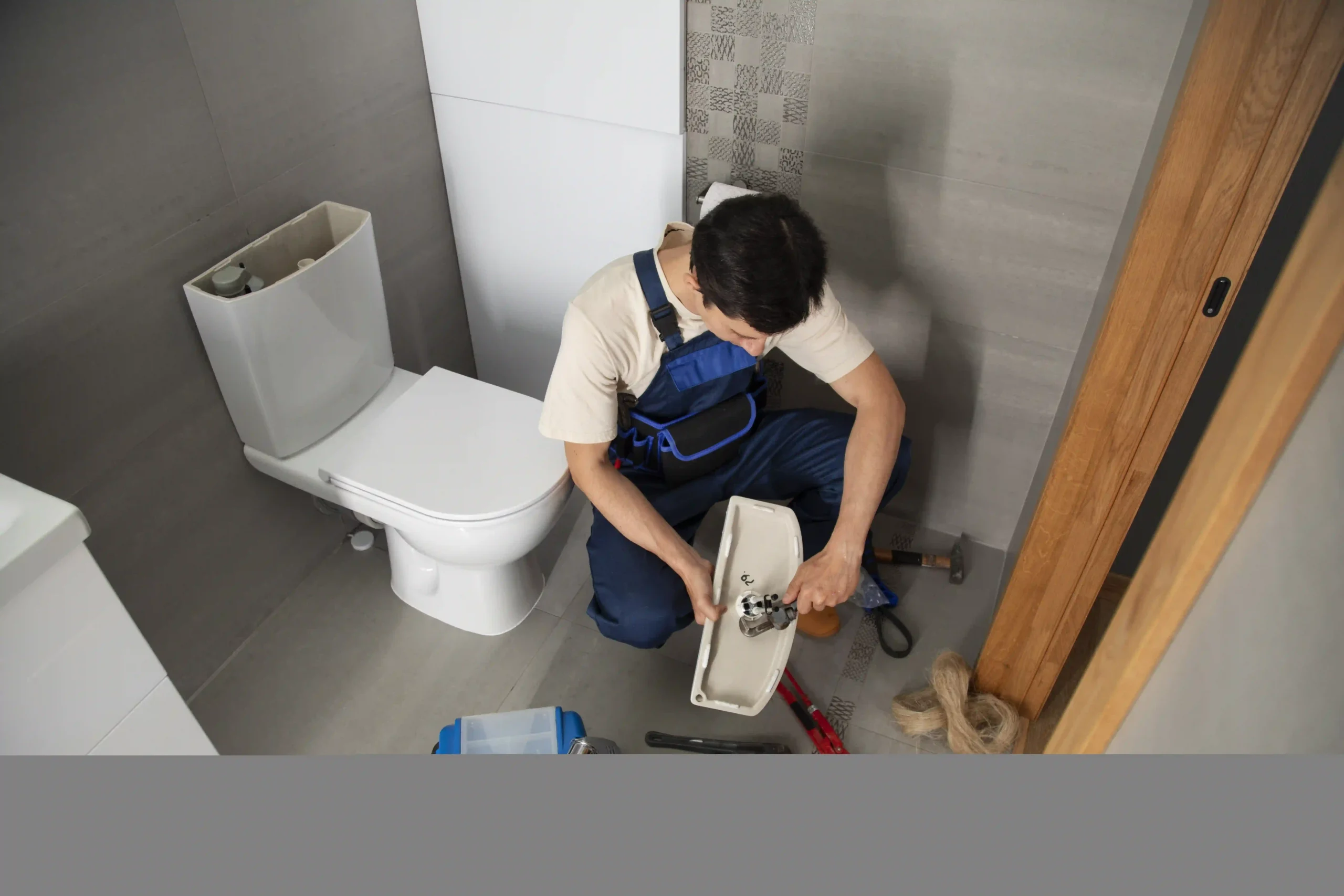
When I approach Toilet Installation, I focus on much more than simply positioning the pan and connecting the water supply. I look at the existing plumbing, drainage, measurements, fittings, floor condition and the way everything will work together.
For Brisbane homeowners, that preparation matters even more. Older homes, renovated bathrooms and newer properties can all have different plumbing layouts. So, before you choose the most stylish toilet in the showroom, let’s look at the mistakes I recommend avoiding.
1. Choosing a Toilet Without Checking the Existing Plumbing
I always recommend checking the existing plumbing arrangement before buying a new toilet.
Why? Because toilets come in different shapes, sizes and connection configurations. A new pan might look fantastic online, but that does not mean it will suit your existing waste outlet or bathroom layout.
I check factors such as:
- The position of the existing waste outlet
- The available bathroom space
- The water inlet position
- The pan dimensions
- The cistern configuration
- Clearance around doors, walls and other fixtures
A toilet that fits perfectly in a showroom can become an awkward puzzle once you bring it home.
2. Ignoring Toilet Measurements
This mistake sounds basic, but it happens surprisingly often.
I never treat bathroom measurements as an afterthought. I check the available width, depth and height before installation because even a small measurement error can affect comfort and access.
You need enough room to sit comfortably; open the bathroom door, clean around the pan and access nearby fixtures. If you squeeze a large toilet into a compact bathroom, you may create a space that looks good in photographs but feels cramped every morning.
I also pay attention to the distance between the toilet and surrounding walls, cabinetry, showers and basins.
In other words, measure twice and drill, cut or install once.
3. Failing to Inspect the Floor Before Installation
A toilet needs a stable surface. I never want to install a new fixture over a damaged, uneven or deteriorated floor without addressing the underlying issue.
An uneven floor can prevent the toilet from sitting properly. Over time, movement can place stress on connections and seals, increasing the chance of leaks.
I look for signs such as:
- Cracked or damaged tiles
- Uneven flooring
- Moisture around the existing toilet
- Soft areas near the pan
- Previous water damage
- Deteriorated sealant
If I find a problem underneath the fixture, I would rather address it before installation than cover it up and hope for the best.
4. Reusing Old or Damaged Fittings
Another common shortcut involves reusing fittings simply because they still look usable.
I do not recommend taking that gamble.
Rubber seals, connectors, washers and other components can deteriorate with age. A fitting might appear fine but fail shortly after the new toilet goes in.
Replacing suitable consumable components during installation can provide a cleaner and more dependable result. It also makes little sense to install a brand-new toilet while relying on a tired connection that has already spent years doing the heavy lifting.
Think of it like putting new tyres on a car but keeping one bald tyre because it “looks alright”. It is not exactly a winning strategy.
5. Getting the Waste Connection Wrong
The waste connection deserves serious attention because it handles everything the toilet sends into the drainage system.
I ensure the toilet connects correctly to the existing drainage arrangement and that the connection does not create unnecessary stress, movement or leakage risk.
Australian plumbing requirements cover the design, construction, installation, replacement, repair and maintenance of sanitary plumbing systems. The National Construction Code also focuses on preventing issues such as blockages, uncontrolled discharge and foul gases entering buildings.
National Construction Code – Sanitary Plumbing Systems
That is why I do not treat the waste connection as a simple DIY fitting job. The drainage system needs to work as a complete system, not just as a pipe connected to a toilet.
6. Forgetting About Toilet Ventilation and Drainage Flow
A toilet does not operate in isolation. Your drainage system needs to manage wastewater and air movement correctly.
When drainage and ventilation do not work properly, you may notice bubbling, slow flushing, unpleasant smells or recurring drainage problems.
I pay attention to the wider plumbing arrangement rather than assuming the toilet itself causes every issue.
If your existing toilet already struggles to flush, makes unusual sounds or produces sewer-like smells, I recommend investigating the underlying plumbing before installing a replacement. A new toilet will not magically fix an existing drainage problem.
Sometimes the bathroom needs a plumbing solution, not simply a prettier pan.
7. Choosing Looks Over Performance
I understand the temptation. Modern toilets can look fantastic, and some designs can completely change the appearance of a bathroom.
However, I never recommend choosing a toilet based only on appearance.
I consider:
- Flush performance
- Water efficiency
- Ease of cleaning
- Replacement parts
- Bathroom dimensions
- Manufacturer specifications
- Suitability for the existing plumbing
A sleek toilet with poor compatibility can create more frustration than a simple model that works reliably.
For modern Brisbane homes, I also recommend considering water efficiency. The NCC includes water-efficiency requirements for sanitary plumbing systems and specifies flush-volume requirements for certain dual-flush toilet systems.
8. Installing the Toilet Without Checking for Leaks
After installation, I do not consider the job finished simply because the toilet looks secure.
I inspect the water connection, flush operation and surrounding areas for signs of leakage.
A tiny leak can be easy to miss initially. Yet repeated moisture around the base or connection can eventually damage flooring, cabinetry or surrounding materials.
I recommend checking carefully around:
- The water inlet connection
- The cistern
- The pan connection
- The base of the toilet
- The surrounding floor
I also run the flush several times rather than assuming that one successful flush means everything works perfectly.
A proper post-installation inspection takes minutes. Repairing hidden water damage can take considerably longer.
9. Using Too Much Sealant to Hide a Poor Fit
This one deserves special attention.
Sealant has its place, but I never use it as a substitute for correct installation.
If a toilet rocks, sits unevenly or has an incorrect connection, adding more sealant will not solve the underlying problem. It simply makes the problem harder to see.
I first make sure the fixture sits correctly and the plumbing connections work as intended. Only then do I consider appropriate finishing materials.
The goal should always be a secure installation first and a neat finish second.
10. Forgetting Future Maintenance
I like to think beyond installation day.
A toilet may work perfectly today, but you will eventually need to replace a valve, service the flush mechanism or access a connection. If the installation makes future maintenance unnecessarily difficult, it can create a problem for the next plumber – and possibly for your future self.
I therefore consider access when positioning components and choosing fittings.
A good installation should not only work today. It should also remain practical and functional for many years.
Common Toilet Installation Mistakes at a Glance
| Mistake | What Can Happen | What I Recommend |
|---|---|---|
| Wrong toilet size | Cramped or awkward bathroom | Measure the space first |
| Poor waste connection | Leaks or drainage problems | Check compatibility |
| Uneven floor | Toilet movement or unstable fitting | Inspect the floor |
| Old fittings reused | Connection failures | Replace worn components |
| Poor drainage | Slow flushing or smells | Investigate the plumbing |
| No leak testing | Hidden water damage | Test every connection |
| Too much sealant | Problems get hidden | Fix the underlying issue |
| No maintenance planning | Difficult future repairs | Keep access in mind |
Should You DIY Toilet Installation?
I understand why some homeowners consider installing a toilet themselves. It can look deceptively simple: position the pan, connect the water, tighten a few fittings and admire your handiwork.
But the visible part represents only a small portion of the job.
The installation also involves drainage, connections, seals, water supply and compliance considerations. If you get one part wrong, the toilet may still look perfectly normal while developing problems underneath.
For that reason, I recommend using a qualified plumber when the installation involves modifying plumbing connections, drainage or existing pipework.
This approach also gives you peace of mind that someone with the right experience can identify problems before they become expensive repairs.
How Brisbane Homes Can Benefit From Professional Installation
Brisbane has a mix of older Queenslanders, renovated character homes, apartments, townhouses and modern builds. Each property can present a slightly different plumbing challenge.
I do not approach every bathroom installation with the same template.
Instead, I look at the property, existing plumbing and customer’s requirements before recommending the most practical solution. That matters when replacing an old toilet, renovating a bathroom or upgrading a damaged fixture.
Professional installation can also help you spot issues that are easy to overlook, such as deteriorated connections, drainage problems or water leaks around the existing pan.
How I Would Prepare for a New Toilet Installation
If you are planning a toilet upgrade, I recommend this simple preparation process:
- Measure the bathroom carefully.
Check the available space and toilet dimensions. - Inspect the existing toilet.
Look for leaks, movement, poor flushing or unusual smells. - Check the plumbing layout.
Confirm that the replacement toilet suits the existing connections. - Inspect the floor.
Look for moisture, damage and uneven surfaces. - Choose performance as well as appearance.
Consider flushing performance, water efficiency and maintenance. - Plan the installation properly.
Do not rush the connection or finishing stages. - Test everything afterwards.
Check the flush, water supply and surrounding connections.
This small amount of planning can save you from a surprisingly large amount of frustration.
Conclusion
A new toilet should feel like an upgrade, not the beginning of a plumbing saga.
I always recommend approaching toilet installation with the same mindset I would use for any important home improvement: measure properly, check the existing system, use suitable fittings, test everything and never hide a plumbing problem behind a layer of sealant.
If you are replacing an old toilet, renovating your bathroom or simply want a more reliable fixture, getting the installation right from the start can save you time, water and money later.
If you need professional help with your bathroom plumbing, Get in touch with our team to discuss your requirements and find a practical solution for your Brisbane home.
Frequently Asked Questions
What is the most common toilet installation mistake?
I would put incorrect measurements and poor plumbing compatibility near the top of the list. A toilet must suit both the physical bathroom space and the existing plumbing arrangement.
How do I know if my new toilet will fit?
I recommend checking the toilet’s dimensions, waste outlet position, water inlet location and available bathroom clearance before purchasing. If you are unsure, ask a qualified plumber to assess the existing setup.
Can I install a toilet on an uneven bathroom floor?
I would not recommend ignoring an uneven floor. The toilet needs stable support, and an uneven surface can contribute to movement, poor sealing and connection problems.
Why does my newly installed toilet leak?
A leak can come from several areas, including the water supply connection, cistern, pan connection or waste outlet. I recommend identifying the exact source rather than simply adding more sealant.
Should I replace the old toilet fittings?
In many cases, I recommend replacing worn seals, washers and suitable connection components during a new installation. Reusing aged fittings can undermine the reliability of an otherwise new setup.
Why does my toilet smell even after installation?
A persistent unpleasant smell may indicate a drainage, seal or ventilation issue. I recommend having the plumbing checked rather than trying to mask the smell with cleaning products or air fresheners.
Is professional toilet installation worth it?
I believe it is, particularly when the job involves modifying plumbing or dealing with older pipework. Professional installation can help ensure the toilet connects correctly, functions properly and avoids preventable plumbing problems.
