Picture this: it’s a chilly Brisbane morning (yes, we do get a few of those), and you jump in the shower expecting warmth, only to be greeted by an icy slap of reality. Your hot water system has finally given up the ghost. Sound familiar? Reckon most Brisbane homeowners have lived through this exact moment of betrayal at least once.
That cold shower isn’t just an inconvenience. It’s usually the final scene in a much longer story, one your hot water system has been trying to tell you for months.
Hot Water System Replacement isn’t a task you tackle after disaster strikes. It’s a decision you make before the drama unfolds, and trust me, your wallet will thank you for it.
Homeowners squeeze every last drop out of an aging system, hoping it’ll limp along for one more summer.
Then the tank ruptures, water floods the laundry, and suddenly you’re not just buying a new unit, you’re also replacing flooring and repainting a ceiling. That’s the difference between a planned upgrade and an expensive emergency, and it’s exactly why chatting with hot water system specialists early on saves you so much grief down the track.
The Real Cost of “Just One More Year”
Let’s get something straight: hot water systems don’t fail gracefully. They fail like a toddler having a tantrum in the cereal aisle, loud, messy, and at the worst possible moment.
Most storage tank systems in Brisbane homes last somewhere between 8 and 12 years, depending on the unit type, water quality, and how well it’s been maintained. Once you cross that threshold, every extra month you squeeze out of an old unit is basically a bet against physics. And physics, unfortunately, always wins eventually.
Here’s why pushing your luck gets expensive fast:
- Corrosion accelerates quietly. Tiny pinhole leaks inside an aging tank don’t announce themselves until they become a flood.
- Efficiency drops. An old system works harder for the same result, which means higher power bills creeping up month after month.
- Parts get harder to source. Older models sometimes need parts that are no longer manufactured, turning a simple repair into a wild goose chase.
- Safety risks increase. Pressure valves and thermostats degrade over time, and a faulty one is not something you want to gamble on.
I like to think of an ageing hot water system a bit like an old ute that’s been reliable for years. It might still start most mornings, but you wouldn’t drive it interstate without expecting something to go wrong along the way.
Signs Your System Is Whispering “Replace Me”
You don’t need to be a trade to spot the warning signs. Your system actually gives you plenty of clues before it stages a full meltdown. Here’s what I’d keep an eye (and ear) out for:
| Warning Sign | What It Usually Means |
| Rusty or discolored water | Internal tank corrosion |
| Banging or rumbling noises | Sediment build-up at the base of the tank |
| Inconsistent water temperature | Failing thermostat or heating element |
| Water pooling around the unit | A developing leak, often from the tank itself |
| Rising energy bills with no usage change | Reduced heating efficiency |
| System older than 10 years | Simply approaching end of typical lifespan |
If you’re nodding along to two or more of these, it’s worth getting a professional opinion sooner rather than later. A quick inspection from someone who knows what they’re looking at can save you from a much bigger headache (and bill) down the track. A trained eye picks up on subtle issues that are dead easy for the rest of us to miss.
Why Brisbane’s Climate and Water Plays a Role
Here’s a fun, slightly less fun fact: Brisbane’s warm, humid climate and our local water composition can actually speed up wear and tear on certain hot water systems. Higher ambient temperatures cause some units to cycle differently, and mineral content in the water supply contributes to scale build-up inside storage tanks over time.
This isn’t meant to scare you, it’s just context. Knowing why your system ages the way it does helps you make smarter replacement decisions instead of just reacting in panic mode when the hot water cuts out mid-shampoo.
It’s also worth noting that energy efficiency standards for hot water systems are taken seriously at a national level. According to the Australian Government’s energy.gov.au, water heating is a major source of energy use in Australian homes, often contributing to a quarter of total energy bills. That’s a massive chunk of your household spending tied directly to one appliance, which makes the case for replacing an inefficient old unit pretty compelling, wouldn’t you say?
Repair or Replace? Let’s Crunch the Numbers
I get asked this constantly: “Should I just patch it up, or is it time to bite the bullet?” Honestly, it depends on a few key factors, but there’s a pretty reliable rule of thumb the industry leans on.
The 50% Rule: If the repair cost is more than 50% of the price of a brand-new system, replacement almost always makes more financial sense. Why throw good money at a unit that’s already on borrowed time?
Consider this rough comparison:
| Scenario | Repair Cost | New System Cost | Smarter Choice |
| Faulty thermostat, 3-year-old unit | $150–$250 | $1,200–$2,500 | Repair |
| Tank corrosion, 9-year-old unit | $600–$900 | $1,200–$2,500 | Replace |
| Multiple component failures, 11-year-old unit | $800+ | $1,200–$2,500 | Replace |
See the pattern? Once a system starts needing multiple repairs in quick succession, you’re basically paying rent on a house you don’t own. Timely Hot Water System Replacement stops that cycle before it drains your bank account one “small fix” at a time.
The Hidden Perks Nobody Talks About
Replacing your system before it fails isn’t just about dodging disaster, it comes with genuine upgrades too. Newer systems are leaps and bounds more efficient than what was standard even a decade ago. You’ll likely notice:
- Lower energy bills thanks to improved heat retention and smarter components
- Better water pressure consistency, especially in multi-bathroom households
- Quieter operation (no more mystery thumping at 6am)
- Longer warranty coverage, giving you peace of mind for years
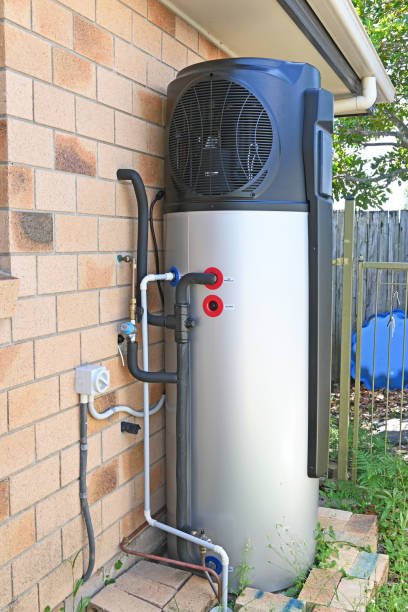
- Options like heat pump or solar-assisted systems that suit Brisbane’s sunny disposition
To be honest, when people upgrade proactively, they’re often pleasantly surprised by how much smoother their daily routine becomes. It’s one of those changes you don’t fully appreciate until you’re standing under a shower that just works, every single time.
A Quick Word on Timing
Spring and early autumn tend to be the smartest windows for scheduling a replacement in Brisbane. Demand for plumbers is generally lower outside of the depths of winter, which often means more flexible scheduling and sometimes better pricing. Waiting until the dead of winter, when everyone else’s system decides to fail at once, puts you at the back of a very long queue.
Conclusion
At the end of the day, timely Hot Water System Replacement is one of those rare home maintenance decisions that pays for itself in avoiding stress alone, let alone the dollars you save by sidestepping emergency repairs, water damage, and skyrocketing energy bills.
Your future self, the one not showering in icy water on a Tuesday morning, will be very grateful you acted early.
If your system is ticking any of the warning boxes I mentioned above, don’t wait for it to make the decision for you. Get it assessed now, plan the upgrade on your terms, and keep the hot water flowing exactly when you need it. Reach out to a trusted local plumber today and ask for an honest opinion on whether your system has got some good years left, or whether it’s quietly counting down to its final tantrum.
FAQ
Q. How long does a typical hot water system last in Brisbane homes?
A. Most systems last between 8 and 12 years, though this varies based on water quality, usage patterns, and how regularly the unit has been serviced.
Q. Is it cheaper to repair or replace an old hot water system?
A. It depends on the repair cost relative to a new unit. As a general guide, if repairs exceed roughly half the price of a replacement, going for a new system usually makes more financial sense long term.
Q. What are the warning signs that my hot water system needs replacing?
A. Look out for rusty water, strange banging noises, inconsistent temperatures, leaks around the base, and a noticeable jump in energy bills without any change in usage.
Q. Does upgrading to a new hot water system actually save money on energy bills?
A. Yes, newer systems are generally far more energy-efficient than older models, which can lead to noticeable savings on power bills over time, especially with heat pumps or solar-assisted options suited to Brisbane’s climate.
