Blocked drains can disrupt an ordinary day without much warning. A kitchen sink that takes several minutes to empty, a toilet that struggles to flush or an unpleasant smell coming from a floor waste may seem like a minor inconvenience at first. However, these signs can point to a blockage that needs proper attention.
For homes, apartments, offices, restaurants and retail premises, blocked drains Brisbane CBD issues can become particularly troublesome because plumbing systems are often used throughout the day. A drainage problem in a busy commercial building can affect staff, customers and normal operations, while a blockage in a residential property can create unpleasant odours, hygiene concerns and water damage.
Understanding what causes these problems, how to recognise the warning signs and when to arrange professional drain cleaning can help property owners respond before the situation becomes more serious. With the right approach, many drainage issues can be diagnosed accurately and resolved without unnecessary disruption.
What Causes Blocked Drains in Brisbane CBD Properties?
Drainage systems carry wastewater away from sinks, toilets, showers, laundries and other plumbing fixtures. Over time, unwanted materials can collect inside the pipes and restrict water flow. In some cases, the blockage develops gradually. In others, a single object can obstruct the pipe almost immediately.
The cause often depends on the location of the blockage, the age of the plumbing and how frequently the drainage system is used.
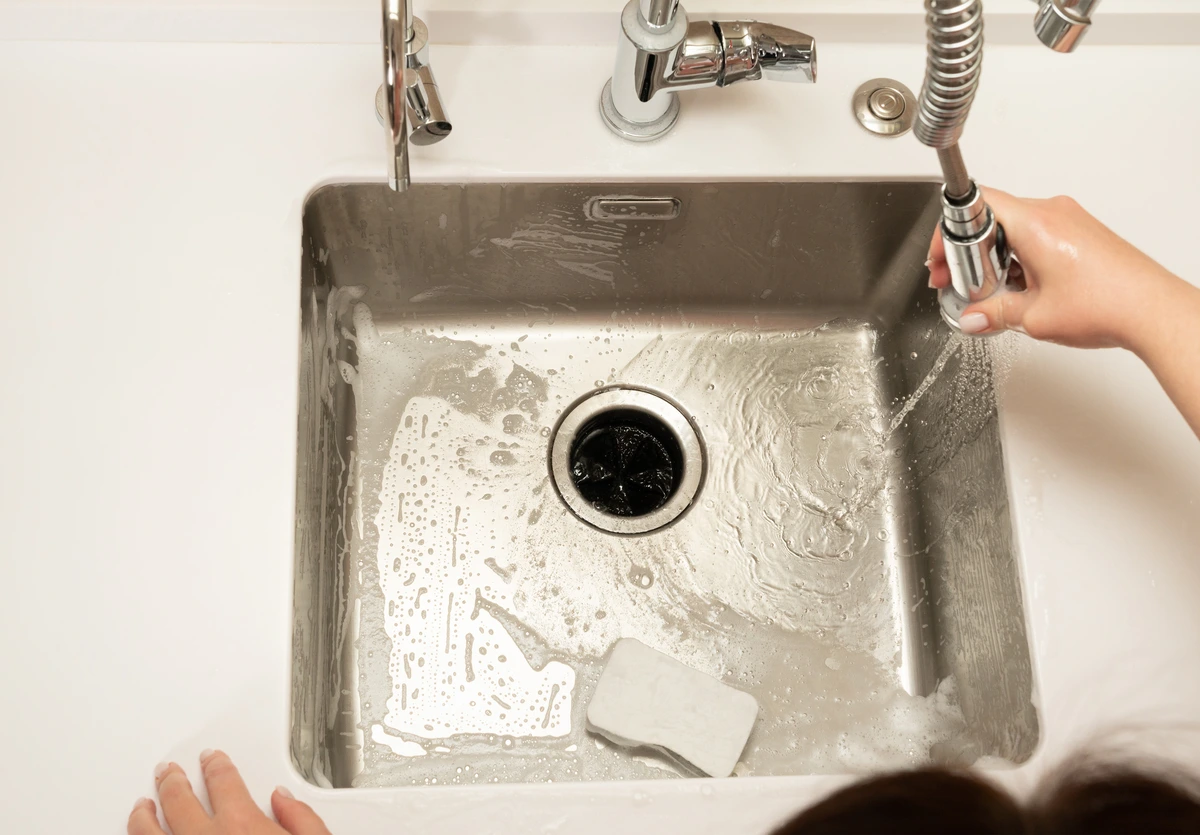
Kitchen drains commonly collect cooking grease, food scraps, soap residue and other waste. Grease is particularly troublesome because it can cool and stick to the internal pipe surface. Other materials then accumulate around it, gradually narrowing the opening.
Bathroom drains have different problems. Hair, soap scum and personal care products can combine to form stubborn deposits in shower and basin pipes. Toilets may become blocked when excessive toilet paper, sanitary products, wet wipes or foreign objects enter the drainage system.
External drains can also become obstructed by leaves, dirt, sediment and garden debris. Tree roots may enter damaged pipe joints, while older or deteriorating pipes can develop cracks, displaced sections or collapsed areas.
In commercial buildings, frequent use can accelerate the accumulation of waste. Restaurants, shared amenities, offices and apartment complexes may experience recurring drainage issues if the system is overloaded or receives unsuitable materials.
Identifying the actual cause is important because removing the immediate obstruction does not necessarily correct the underlying problem.
What Are the Warning Signs of a Blocked Drain?
Drainage problems rarely need to reach the overflowing stage before they become noticeable. Recognising early symptoms can help property owners organise an inspection while the issue is still manageable.
Slow drainage is one of the most common warning signs. If water remains in a sink, shower or laundry trough longer than usual, there may be a partial obstruction somewhere in the waste pipe.
Unpleasant smells are another indication. Waste, grease and organic matter trapped inside a drain can produce persistent odours, particularly when water flow is restricted.
Gurgling noises may occur when air struggles to move through the plumbing system because of an obstruction. If several fixtures make unusual sounds or begin draining slowly at the same time, the problem may involve a shared drainage line rather than an individual fixture.
Other symptoms include toilets that flush poorly, water backing up into a shower, overflowing external grates and wet patches near underground drainage pipes.
When investigating blocked drains Brisbane CBD properties, plumbers consider whether the symptoms affect one fixture or several areas. A single slow basin may indicate a local blockage, whereas multiple affected fixtures can suggest a deeper issue in the main drain.
Wastewater backing up into the property requires prompt attention. Stop using affected fixtures and arrange professional assistance, especially if sewage is present or water is approaching electrical equipment.
How Can Blocked Drains Brisbane CBD Be Fixed Properly?
The right repair method depends on the location, severity and cause of the blockage. Simply forcing water through a pipe may provide temporary relief, but it does not always remove the material responsible for the restriction.
A professional assessment begins by identifying the affected fixtures and checking how the drainage system behaves. The plumber may examine accessible inspection points, test water flow and use suitable equipment to locate the obstruction.
For suitable blockages, mechanical drain-cleaning equipment can break apart or remove accumulated material. High-pressure water jetting may be appropriate for clearing grease, sediment and other deposits from compatible pipes. The method should be selected according to the pipe condition and the type of obstruction.
Where the cause is unclear, a CCTV drain camera inspection can provide a closer look inside the pipe. This equipment can help identify tree roots, cracks, displaced joints, foreign objects and other defects that cannot be seen from the surface.
If the inspection reveals damaged pipework, further repairs may be required. Depending on the condition of the drain, the solution could involve repairing a specific section or replacing a deteriorated pipe.
For recurring blocked drains Brisbane CBD problems, a proper diagnosis is particularly valuable. Repeatedly clearing the same line without investigating why it blocks can lead to continued inconvenience and unnecessary repeat work.
Property owners should also use appropriately licensed plumbing professionals for regulated drainage work. Queensland’s official plumbing laws and licensing guidance explains the importance of using licensed tradespeople for work that requires a licence.
Which Drain Cleaning Method Is Suitable for Your Property?
Different blockages require different approaches. The table below outlines common drainage problems, possible causes and the methods a plumber may consider after assessing the system.
| Drainage problem | Common cause | Suitable professional approach | Main consideration |
|---|---|---|---|
| Blocked kitchen sink | Grease, food scraps and soap residue | Mechanical clearing or suitable water jetting | Remove accumulated waste and check flow |
| Blocked shower drain | Hair, soap scum and product residue | Trap cleaning and appropriate drain-clearing equipment | Determine whether the obstruction is local |
| Blocked toilet | Excess paper, wipes or foreign objects | Toilet-safe clearing equipment and inspection | Avoid damaging the pan or pipework |
| Main sewer blockage | Tree roots, deposits or damaged pipes | Drain clearing and CCTV inspection where required | Identify the underlying cause |
| Stormwater drain blockage | Leaves, soil and sediment | Debris removal and suitable drain cleaning | Check surrounding grates and water flow |
| Recurring drainage problems | Pipe defects, root intrusion or persistent deposits | Camera inspection and targeted repair | Prevent the same issue from returning |
The table provides general guidance rather than a guaranteed diagnosis. A plumber needs to inspect the affected system before deciding which technique is appropriate.
For example, high-pressure cleaning can be effective in suitable drainage lines, but damaged or fragile pipes may need a different approach. Similarly, a recurring blockage caused by root intrusion may require more than routine cleaning.
Choosing the right method helps address the immediate problem while reducing the chance of avoidable damage.
Why Should Blocked Drains Brisbane CBD Be Addressed Early?
A partially blocked drain may still allow some water to pass through, which can make the problem easy to ignore. However, continued use can add more material to the obstruction until drainage becomes extremely slow or stops completely.
Early attention is useful for several reasons.
First, it can help limit water damage. An overflowing sink, toilet or external drain may affect flooring, cabinetry, walls and nearby belongings. In commercial premises, water can also damage stored stock or interrupt access to work areas.
Second, it helps manage hygiene concerns. Wastewater that backs up into bathrooms, kitchens or other occupied spaces should be treated seriously because it may contain contaminants.
Third, an early inspection can reveal whether a blockage is linked to a wider plumbing fault. If a pipe is cracked or tree roots have entered the line, simply clearing the obstruction may not provide a lasting solution.
For businesses, prompt attention to blocked drains Brisbane CBD issues can also help reduce interruptions. A restaurant with an unusable kitchen sink or an office with an overflowing toilet may need to restrict access to affected areas until the problem is resolved.
The appropriate response depends on the circumstances, but recurring symptoms, sewage backups and overflowing drains should never be ignored.
How Can Property Owners Prevent Future Drainage Problems?
Prevention begins with understanding what should and should not enter the drainage system. Everyday habits can make a noticeable difference, particularly in kitchens, bathrooms and shared facilities.
Kitchen users should avoid pouring cooking oil, fats and grease into sinks. Even when grease appears liquid, it can cool further along the pipe and contribute to deposits. Food scraps should be placed in the bin rather than washed down the drain.
Bathroom drains benefit from simple maintenance, such as removing collected hair from accessible strainers. Toilets should only receive suitable toilet paper and human waste. Wet wipes, cotton buds, sanitary products and similar items belong in the bin, even when packaging suggests they can be flushed.
Outdoor maintenance matters as well. Leaves and loose debris should be cleared from accessible stormwater grates, especially before periods of heavy rain. Trees growing near underground drainage lines may need assessment if the property has a history of root-related blockages.
For commercial buildings and apartment complexes, maintenance arrangements should account for the number of occupants, frequency of use and type of business activity. Shared amenities and kitchen facilities may need more frequent checks than lightly used residential fixtures.
Practical drain-care checklist
- Keep cooking fats, oils and grease out of kitchen sinks.
- Use suitable strainers to catch food scraps and hair.
- Never flush wipes, sanitary products or foreign objects down toilets.
- Clear leaves and loose debris from accessible outdoor drain grates.
- Arrange an inspection when several fixtures develop drainage problems.
- Seek professional advice when the same blockage returns repeatedly.
These habits cannot prevent every drainage fault, particularly where pipes are damaged or affected by tree roots. However, they can reduce avoidable obstructions and help property owners notice changes in drainage performance.
Avoid relying on repeated chemical drain treatments as a universal solution. Some products can create hazards, and unsuitable chemicals may damage certain plumbing components. Never mix drain-cleaning chemicals or use them contrary to their instructions.
What Should Businesses and Apartment Managers Know About Drain Maintenance?
Brisbane CBD contains a mix of commercial premises, apartments, older buildings and modern developments. Each property type has different drainage demands, making a one-size-fits-all maintenance plan unsuitable.
Restaurants and food preparation businesses need to manage grease and food waste carefully. If these materials enter drainage pipes regularly, deposits may build up and restrict flow. Staff training and appropriate waste disposal practices can help reduce the risk.
Office buildings often have shared toilets, kitchenettes and washrooms used by many people throughout the day. A blockage affecting shared pipework can quickly inconvenience several tenants. Building managers should have a clear process for reporting drainage symptoms and arranging inspections.
Apartment owners and body corporate managers may also need to determine whether a fault affects one lot or a shared drainage system. The location of the blockage and the building’s arrangements can influence who should organise and pay for repairs. It is sensible to check the relevant maintenance responsibilities rather than assume every drain is the individual owner’s responsibility.
Where blocked drains Brisbane CBD incidents occur repeatedly in the same building, maintenance records can help identify patterns. Recording the affected fixture, date, symptoms and previous repairs gives a plumber useful information when investigating the cause.
Preventive maintenance should reflect actual usage and the condition of the plumbing. Older pipes, high-occupancy properties and businesses that produce substantial wastewater may benefit from more frequent professional assessment.
How Do You Choose a Reliable Blocked Drain Plumber?
When a drain stops working properly, choosing a plumber involves more than finding someone who can clear it quickly. Property owners should look for clear communication, appropriate licensing and a repair approach suited to the problem.
Ask how the plumber intends to investigate the blockage and whether further inspection may be needed if it returns. If pipe damage is suspected, a CCTV inspection can help establish whether cleaning alone is sufficient.
It is also worth understanding what the quoted work includes. Ask about the proposed method, any additional charges that may apply and whether repairs beyond the initial clearing will require separate approval. Clear explanations make it easier to compare options and understand the work being recommended.
For blocked drains Brisbane CBD services, local experience can be useful because properties in the city vary in age, layout and drainage requirements. Nevertheless, the quality of the assessment and suitability of the proposed solution matter more than a broad claim of local expertise.
Clearline Plumbing provides blocked drain services for residential and commercial properties in Brisbane CBD. Its service offering includes drain cleaning, blocked toilet and sink repairs, stormwater drainage work, sewer drain repairs and CCTV drain camera inspections.
You can explore the blocked drains service page for further information or visit the Clearline Plumbing homepage to learn more about its plumbing services.
Conclusion
Blocked drains can start with a slow sink or an unusual smell, but ignoring these early signs may lead to overflowing fixtures, property damage and repeated plumbing problems. Understanding the cause, using suitable cleaning methods and maintaining drains properly can help keep wastewater moving as it should.
For persistent blocked drains Brisbane CBD issues, professional assessment is particularly important when several fixtures are affected, wastewater backs up or the same blockage keeps returning. The right repair should address the immediate obstruction and investigate any underlying pipe damage or recurring cause.
If you are experiencing slow drainage, an overflowing toilet, a blocked kitchen sink or a stormwater problem, contact Clearline Plumbing through its contact page to discuss the issue and arrange suitable plumbing assistance.
Frequently Asked Questions
1. What are the most common causes of blocked drains in Brisbane CBD?
Common causes include grease, food scraps, hair, soap residue, wet wipes, foreign objects, leaves, sediment and tree roots. Damaged or deteriorating pipes can also contribute to recurring blockages.
2. How can I tell if a blocked drain needs professional attention?
Arrange professional assistance if water drains very slowly, several fixtures are affected, unpleasant smells persist, toilets overflow or wastewater backs up into the property. Repeated blockages also warrant further investigation.
3. Can a CCTV drain inspection identify the cause of a blockage?
Yes. A CCTV camera can help a plumber examine the inside of a drainage pipe and identify issues such as root intrusion, cracks, displaced joints, foreign objects and accumulated deposits.
4. How can businesses prevent recurring blocked drains?
Businesses can dispose of grease and food waste correctly, prevent unsuitable items from entering toilets, maintain accessible drain grates and organise inspections based on usage. Recurring problems should be investigated rather than repeatedly cleared without diagnosis.
5. Should I use chemical cleaners for blocked drains?
Chemical cleaners are not suitable for every blockage and may present safety risks or affect some plumbing components. Follow product instructions, never mix chemicals and seek professional advice if the blockage persists or wastewater is backing up.
