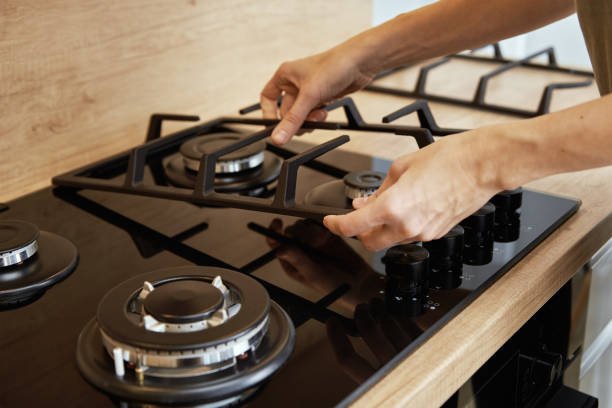
A new gas cooktop can make a kitchen feel completely different. A replacement hot water system can make everyday life easier. Even a small gas appliance upgrade can be worthwhile when the existing equipment is old, inefficient or no longer meeting the needs of the property.
But getting a new appliance home is only the beginning. The connection, gas supply, ventilation, positioning and final checks all need to be considered before the appliance is put into regular use.
For homeowners, landlords, businesses and property managers, gas appliance installation Brisbane CBD is therefore something that should be approached carefully. Choosing the right appliance matters, but so does making sure the installation is completed correctly.
Gas work is regulated in Queensland. The Queensland Building and Construction Commission explains that gasfitting covers work including installing, commissioning, maintaining, testing, altering, repairing and servicing gas systems in buildings.
That makes professional installation an important part of the process rather than an optional extra.
Why Professional Gas Appliance Installation Matters
Gas appliances rely on a properly connected gas supply and correct installation. A problem with the connection, appliance setup or surrounding installation can create safety concerns and may also affect how efficiently the appliance operates.
Queensland Government guidance states that gas appliances must be installed and used according to the manufacturer’s instructions. It also advises customers to contact a gasfitter when an appliance is faulty or showing signs that it may not be operating correctly.
Professional installation provides more than simply connecting an appliance. A qualified gasfitter can assess the installation requirements, check the gas connection and make sure the work is carried out within the applicable requirements.
For property owners in Brisbane CBD, using an appropriately licensed professional is especially important when installing or changing gas equipment.
What Types of Gas Appliances Can Be Installed?
Gas appliances are used in many homes and commercial properties.
Common examples include:
- Gas cooktops
- Gas stoves
- Gas ovens
- Gas hot water systems
- Gas heaters
- Outdoor gas appliances
- LPG appliances
- Other approved gas devices
The installation requirements can vary depending on the appliance and the existing gas system.
For example, replacing an existing gas cooktop may involve different considerations from installing a completely new gas appliance where no suitable gas connection currently exists.
Before purchasing an appliance, it is worth checking whether it is compatible with the available gas supply and installation conditions.
Gas Appliance Installation Brisbane CBD: What to Check First
Before arranging gas appliance installation Brisbane CBD, start by looking at the property itself.
Is there already a gas connection?
What type of gas supply is available?
Where will the appliance be positioned?
Is the existing pipework suitable?
Will the appliance require additional work before it can be connected?
These questions can affect the installation process.
Queensland Government information explains that homes may use reticulated natural gas or LPG, and appliances designed for one type of gas may require conversion before being used with another. Gas installations and conversions must be carried out by a licensed gasfitter.
That is one reason it is useful to confirm the gas type before purchasing an appliance.
Natural Gas and LPG Are Not the Same
One common mistake is assuming that every gas appliance can be connected to every gas supply without modification.
Natural gas and LPG have different characteristics, and appliances may require different burners or conversion components.
If you are replacing an appliance or moving one to another property, confirm which gas supply is available before installation.
Queensland Government guidance specifically notes that different burners are needed for natural gas and LPG and that conversions must be performed by a licensed gasfitter.
This is particularly important when purchasing appliances independently. Checking compatibility before installation can prevent delays and unnecessary costs.
Choosing the Right Gas Appliance
The cheapest appliance is not necessarily the best choice for every property.
Start with how the appliance will be used.
A household that cooks frequently may have different requirements from a property where the cooktop is only used occasionally. Similarly, a larger household may have different hot water demands from a small apartment.
Consider:
- Appliance size
- Gas type
- Energy requirements
- Manufacturer specifications
- Available installation space
- Ventilation requirements
- Controls and safety features
- Warranty conditions
- Ongoing maintenance requirements
Queensland Government guidance recommends looking for safety features such as flame-failure devices and automatic reignition when purchasing gas appliances.
Preparing the Installation Area
The area around the appliance should be considered before the installer arrives.
For a kitchen appliance, check the available space and make sure the surrounding area is accessible. If an old appliance is being replaced, the installer may need access to existing connections and pipework.
For other gas appliances, location can be equally important.
The appliance must be installed according to the manufacturer’s requirements. Positioning should not be treated as a matter of simply finding an empty space.
If you are planning a renovation, it can be useful to discuss the appliance installation before cabinetry, walls or other finishing work is completed.
The Importance of Gas Supply
A new gas appliance may place additional demand on the existing gas system.
This is particularly relevant when adding a new appliance rather than replacing an existing one.
Business Queensland guidance states that before installing a new gas appliance, the gas supply must be adequate to satisfy the additional demand.
This is something a qualified professional can assess as part of the installation process.
It is better to identify a supply issue before the appliance is installed than to discover later that the system requires additional work.
A Quick Installation Checklist
| Installation consideration | Why it matters |
|---|---|
| Gas type | Confirms appliance compatibility |
| Appliance specifications | Ensures installation follows manufacturer requirements |
| Existing gas connection | Determines whether suitable connection is available |
| Gas supply capacity | Helps confirm the system can support the appliance |
| Installation location | Affects accessibility and compliance |
| Ventilation | Important for safe appliance operation |
| Pipework condition | Existing connections may require assessment |
| Licensed gasfitter | Gas work requires appropriate licensing |
| Final testing | Helps identify installation problems before regular use |
| Manufacturer instructions | Provides appliance-specific installation requirements |
This checklist can help property owners understand what needs to be considered before booking the work.
One Bulletin: Before Installing a Gas Appliance
Before arranging the installation, take a moment to check these points:
- Confirm whether the property uses natural gas or LPG.
- Choose an appliance designed for the available gas supply.
- Check the manufacturer’s installation requirements.
- Make sure there is suitable space for the appliance.
- Consider ventilation and access around the installation area.
- Ask whether the existing gas supply can support the new appliance.
- Use an appropriately licensed gasfitter for the gas work.
- Keep the appliance documentation available after installation.
- Do not attempt to modify gas connections yourself.
- Report unusual smells, flames or appliance faults promptly.
These simple checks can make the installation process more organised and help avoid preventable problems.
Gas Cooktop and Stove Installation
Gas cooktops and stoves are common kitchen appliances, but their installation still requires careful attention.
The appliance needs to be connected correctly to the gas supply and installed according to its manufacturer’s requirements.
A replacement installation may also reveal issues with older connections, pipework or the surrounding kitchen area.
If you are renovating a kitchen, it is sensible to consider the gas installation before final cabinetry and benchtop work is completed. This can give the installer appropriate access and reduce the risk of having to modify finished surfaces later.
Gas Hot Water Installation
Hot water is another important application for gas.
When replacing a gas hot water system, the existing setup should be assessed rather than assuming the new unit can simply be connected in the same way.
The replacement system may have different requirements from the previous unit. The gas supply, connections, location and manufacturer’s instructions all need to be considered.
If the property is experiencing unreliable hot water, unusual appliance behaviour or repeated faults, professional assessment can help determine whether replacement or another solution is appropriate.
What Happens During Professional Installation?
The exact process depends on the appliance and property.
Generally, the installer first needs to understand the appliance requirements and existing gas arrangement. The gas supply and installation location can then be assessed before the appliance is connected.
The work should follow the manufacturer’s instructions and applicable requirements.
After installation, appropriate checks and testing are important before the appliance is put into normal use.
A professional approach also gives the property owner an opportunity to ask questions about operation and maintenance.
Signs Your Existing Gas Appliance May Need Attention
Not every problem means an appliance needs to be replaced.
However, certain signs should not be ignored.
Queensland Government guidance recommends contacting a gasfitter if an appliance is not igniting properly or if the flame is not burning evenly.
Other reasons to arrange an assessment can include repeated breakdowns, unusual operation, visible deterioration or an appliance that no longer meets the needs of the property.
If you suspect a gas leak or another immediate safety issue, do not continue using the appliance. Follow the appropriate emergency and gas-safety procedures and obtain professional assistance.
Why Licensing Matters in Brisbane
Gas work is not an area where property owners should rely on guesswork.
Queensland’s licensing framework identifies gasfitting as regulated work. The QBCC explains that contractors performing gasfitting work require the relevant licensing arrangements, while occupational licensing requirements also apply to people personally performing gasfitting work.
This provides an important reason to check that the person carrying out gas work has the appropriate qualifications and licence for the work involved.
A professional installation is about more than convenience. It is about having the gas system and appliance handled by someone with the required technical knowledge.
Choosing a Gas Plumber in Brisbane CBD
When comparing a gas plumber, look beyond availability.
Consider experience, licensing, communication and whether the plumber handles the type of installation you require.
It is also useful to explain the project clearly when requesting a quote. Tell the plumber whether you are replacing an existing appliance, installing a new appliance or changing the gas arrangement.
For larger projects, photographs of the existing setup may also help the plumber understand what is involved before attending the property.
Clear information at the beginning can make the process more efficient.
Maintaining Your Gas Appliance After Installation
Installation is only the beginning.
Follow the manufacturer’s instructions for cleaning and routine care. Keep the appliance free from accumulated debris and watch for changes in its performance.
Queensland Government guidance recommends keeping gas appliances clean and checking that ignition and flames are operating correctly.
If something seems unusual, do not ignore it simply because the appliance was recently installed.
Regular attention can help identify problems earlier and keep the appliance operating as intended.
Final Thoughts
A new gas appliance can be a worthwhile improvement for a Brisbane property, but the installation should never be treated as a simple DIY connection. The gas type, appliance specifications, existing pipework, supply capacity, location and safety requirements all deserve attention.
For anyone planning gas appliance installation Brisbane CBD, working with an appropriately licensed professional is the safest way to approach the project. Queensland’s gasfitting requirements exist for a reason, and following the correct process can help protect both the property and its occupants.
If you need professional advice or installation assistance for a gas appliance in Brisbane CBD, Clearline Plumbing can help you discuss your requirements and arrange the appropriate gas plumbing service. Visit the Contact Us page to enquire about your installation or speak with the team about your gas plumbing needs.
FAQs
1. Can I install a gas appliance myself in Brisbane?
Gas installation and gasfitting work should be carried out by an appropriately licensed professional. Queensland Government guidance states that gas installations and conversions must be performed by a licensed gasfitter.
2. Can a natural gas appliance be used with LPG?
Not necessarily without modification. Natural gas and LPG appliances can require different burners or conversion arrangements. The appliance must be compatible with the available gas supply, and any conversion must be completed by a licensed gasfitter.
3. Does a new gas appliance need to be checked against the existing gas supply?
Yes. Before installing a new gas appliance, the available gas supply should be assessed to make sure it can meet the additional demand.
4. When should I call a gas plumber about an existing appliance?
Contact a qualified gasfitter if the appliance is not igniting properly, the flame is not burning evenly, there are unusual operating problems or you suspect a gas-related fault. Queensland Government guidance specifically recommends contacting a gasfitter when an appliance is faulty or not operating correctly.
5. What should I check before buying a gas appliance?
Check the appliance’s gas type, dimensions, installation requirements, ventilation needs and safety features. Confirm that it is suitable for the property’s existing gas supply and discuss the installation requirements with a qualified gasfitter before purchase.
