Hidden water leaks can waste thousands of litres of water, increase your bills, and cause serious damage before you even notice a problem. Hidden Water Leak Detection involves checking for signs such as unexplained water usage, damp areas, mould growth, and pressure changes to locate leaks behind walls, under floors, or underground.
A leaking pipe is not always obvious. Many Brisbane homeowners only discover a hidden leak after noticing a sudden increase in their water bill or finding moisture damage around their property. Early detection can help you avoid expensive repairs and protect your home’s structure.
Why Hidden Water Leaks Are Difficult to Find
Visible leaks are usually easy to identify because you can see dripping taps, overflowing pipes, or water pooling around fixtures. Hidden leaks are different because they often occur in areas that are difficult to access, such as inside walls, beneath concrete slabs, or underground pipework.
Australian homes can experience hidden leaks due to ageing plumbing systems, damaged pipes, shifting ground conditions, or worn connections. In Brisbane, changing weather conditions and heavy rainfall can also place additional pressure on plumbing systems.
A small leak may seem harmless at first, but constant water loss can gradually damage flooring, plasterboard, cabinetry, and foundations. Detecting the issue early gives you the opportunity to fix the problem before it becomes a major repair.
Common Signs You May Have a Hidden Water Leak
Knowing what to look for can help you identify a possible plumbing issue before significant damage occurs. Some common warning signs include:
- An unexpected increase in your water bill without a change in usage
- The sound of running water when all taps and appliances are turned off
- Damp patches, stains, or bubbling paint on walls and ceilings
- Mould or mildew appearing in unusual areas
- Warm spots on floors, which may indicate a hot water pipe leak
- Low water pressure throughout your home
- Wet areas in gardens or lawns without a clear cause
If you notice one or more of these signs, it is worth investigating further. Not every moisture issue is caused by a leaking pipe, but ignoring the warning signs can allow a small problem to become much larger.
How to Check for a Water Leak Yourself
Before calling a plumber, there are a few simple checks you can complete yourself. These steps can help confirm whether your home may have a leak.
First, turn off all taps, washing machines, dishwashers, and other water-using appliances. Check your water meter and record the reading. Wait for around 30 minutes without using any water, then check the meter again. If the reading has changed, you may have a leak somewhere on your property.
You can also inspect visible plumbing areas around toilets, hot water systems, outdoor taps, and under sinks. Look for moisture, corrosion, unusual smells, or signs of water damage.
These basic checks are useful, but they cannot always identify the exact location of a concealed leak. Professional equipment may be required when the source is behind walls, under concrete, or underground.
Hidden Water Leak Detection Methods Used by Professionals
Professional plumbers use specialised tools and industry knowledge to locate leaks without unnecessary damage to your property. Modern leak detection methods allow technicians to identify problems more accurately and repair only the affected area.
Common techniques include:
Acoustic Leak Detection
This method uses sensitive listening equipment to detect the sound of water escaping from pipes. Even small leaks can create sounds that trained plumbers can identify.
Thermal Imaging
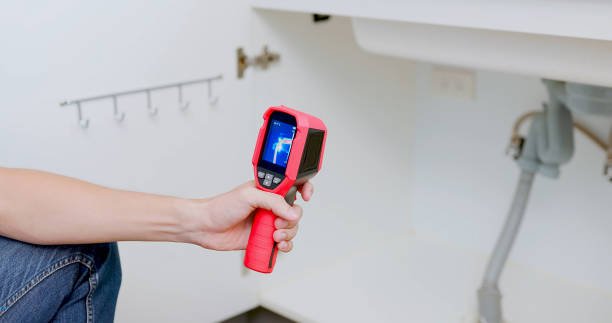
Thermal cameras can highlight temperature differences caused by leaking hot or cold water pipes. This is especially useful when pipes are hidden behind walls or beneath flooring.
Pressure Testing
Plumbers can test your plumbing system’s pressure to determine whether water is escaping somewhere within the pipe network.
Moisture Detection Equipment
Moisture meters help locate damp areas and determine whether water damage is linked to an active leak.
Clearline Plumbing uses practical diagnostic methods to help Brisbane homeowners identify plumbing problems accurately while reducing unnecessary disruption to their homes.
Protecting Your Home From Future Water Leaks
Preventative maintenance plays an important role in protecting your plumbing system. While some leaks happen unexpectedly, regular checks can help identify ageing components before they fail.
You can reduce the risk of future leaks by:
- Checking exposed pipes and connections regularly
- Fixing dripping taps and leaking toilets promptly
- Monitoring unusual changes in your water bills
- Maintaining hot water systems according to manufacturer recommendations
- Arranging plumbing inspections for older properties
For major plumbing work, Australian requirements and safety practices should always be followed. Licensed plumbers understand local regulations and use appropriate methods to ensure repairs are completed safely and correctly.
When to Call a Professional
If you suspect a hidden leak but cannot locate the source, contacting a qualified plumber is the safest option. Continuing to ignore signs like damp walls, rising water bills, or unexplained moisture can lead to structural damage and higher repair costs.
Clearline Plumbing provides professional plumbing assistance for Brisbane homeowners dealing with difficult-to-find leaks. Their team can assess your property, identify potential leak sources, and recommend suitable repairs based on the condition of your plumbing system.
Getting expert help early can save you money, prevent unnecessary damage, and give you confidence that your home’s plumbing is working properly.
Conclusion
Hidden leaks can cause major problems when they remain unnoticed for too long. By watching for warning signs, completing simple checks, and arranging professional inspections when needed, you can protect your home from avoidable water damage.
Hidden Water Leak Detection is an important part of maintaining a safe and efficient plumbing system. If you are concerned about unusual water usage, damp areas, or possible pipe damage in your Brisbane property, contact Clearline Plumbing for reliable assistance.
Frequently Asked Questions
How do I know if I have a hidden water leak?
Common signs include higher water bills, damp patches, mould growth, low water pressure, and hearing running water when all taps are turned off.
Can a plumber find a leak without damaging my walls?
Yes. Professional plumbers can use tools such as acoustic equipment, thermal cameras, and moisture detection devices to locate many leaks without unnecessary damage.
What causes hidden water leaks in homes?
Hidden leaks can be caused by ageing pipes, damaged fittings, corrosion, high water pressure, ground movement, or worn plumbing components.
Should I call a plumber if my water bill suddenly increases?
Yes. An unexplained increase in water usage can indicate a leak. A professional inspection can help identify the cause and prevent further water loss.
