Managing a shared property involves more than keeping hallways clean and arranging general repairs. Plumbing systems need regular attention because a single fault can affect several apartments, common areas and commercial spaces within the same building. A leaking pipe, blocked sewer line or faulty hot water system can quickly become a concern for residents, tenants and property managers.
A body corporate plumber Brisbane CBD property managers can rely on should understand the challenges of maintaining shared plumbing infrastructure, coordinating repairs and communicating with different stakeholders. In multi-storey buildings, identifying the source of a problem is not always straightforward. Water can travel between floors, drainage lines may serve several units, and access to affected areas often requires cooperation from residents.
Knowing how body corporate plumbing works helps committees and building managers make informed maintenance decisions. With suitable inspections, timely repairs and a clear process for handling plumbing issues, it becomes easier to protect the property and reduce unnecessary disruption.
Why Do Brisbane CBD Buildings Need Specialised Plumbing Maintenance?
Apartment complexes and commercial buildings often have more complicated plumbing arrangements than standalone houses. Multiple bathrooms, kitchens, shared drainage lines, hot water systems and underground pipework may operate together within one property.
When one component fails, the effects can extend beyond the location where the problem first appears. For example, a blockage in a shared waste pipe may cause water to back up into a ground-floor unit, while a leaking connection behind an upstairs bathroom wall may leave damp patches in the ceiling below.
A body corporate plumber Brisbane CBD buildings require should consider these shared systems when investigating faults. Repairing the visible damage without identifying the original cause may allow the same problem to return.
Regular maintenance is particularly useful in older apartment buildings, properties with high water usage and complexes that have experienced recurring drainage or leakage issues.
Building managers should also keep records of previous plumbing work. These records can help identify repeated faults, track the condition of shared infrastructure and support decisions about future repairs.
What Plumbing Services Do Body Corporate Properties Commonly Need?
The plumbing requirements of a shared building depend on its size, age, occupancy and existing infrastructure. Some issues involve individual fixtures, while others affect common property or essential building services.
A body corporate plumber Brisbane CBD committees engage may assist with a range of maintenance and repair tasks, including:
- Investigating leaking pipes and damaged plumbing connections.
- Clearing blocked drains and diagnosing recurring drainage problems.
- Repairing leaking taps, toilets and other plumbing fixtures.
- Locating hidden water leaks behind walls or beneath floors.
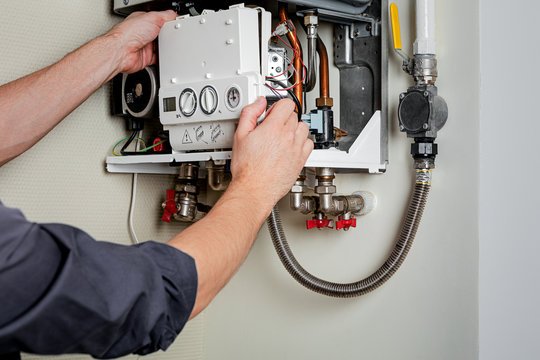
- Inspecting and repairing suitable hot water system components.
- Responding to burst pipes and urgent water leaks.
- Assessing shared sewer lines and drainage infrastructure.
- Carrying out general plumbing maintenance in common areas.
Not every building requires all these services at the same frequency. A small apartment complex may need occasional repairs, whereas a large residential tower may benefit from a planned maintenance schedule.
The important consideration is whether the work addresses the actual cause of the problem and whether the proposed repair is appropriate for the building’s plumbing arrangement.
Understanding Common Property and Individual Lot Plumbing
One of the main challenges for a body corporate committee is determining who is responsible for a plumbing fault.
In Queensland, responsibility can depend on the building’s registered community management statement, the type of property, the location of the affected pipework and the applicable legislation. The fact that a pipe runs through an apartment does not automatically establish who must arrange or pay for its repair.
For example, a leaking tap serving only one apartment may be treated differently from a damaged pipe forming part of a shared water supply. Similarly, a blockage in a common sewer line may require a different response from a blockage confined to a private fixture.
A body corporate plumber Brisbane CBD managers contact can investigate the technical problem and provide information about the affected plumbing components. The body corporate or property manager can then use the findings to determine the appropriate next steps.
Explains maintenance responsibilities between body corporates and lot owners, including utility infrastructure and common property. It directly supports the article’s discussion of plumbing repair responsibilities.
Where responsibility is uncertain, the committee should review the relevant property documents and seek appropriate strata or legal advice rather than assuming that every plumbing repair falls under the same arrangement.
Common Plumbing Problems in Apartment Buildings
Some plumbing faults are more likely to cause disruption in buildings with multiple occupants. Recognising their early signs can help property managers arrange an inspection before the damage spreads.
Blocked Shared Drains
Shared drainage pipes carry wastewater from multiple fixtures or apartments. Grease, foreign objects, accumulated deposits, damaged pipes and tree roots in suitable external drainage lines can contribute to blockages.
Warning signs include gurgling sounds, unpleasant smells, slow drainage across several fixtures and wastewater backing up through floor wastes.
When more than one apartment experiences drainage problems at the same time, the cause may lie within a shared section of the system. A qualified plumber can investigate the affected line and recommend suitable clearing or repair work.
Hidden Water Leaks
Leaks behind walls, beneath flooring and inside ceiling spaces can remain unnoticed until visible damage develops.
Property managers may first become aware of a problem through water stains, damp smells, peeling paint or an unexplained increase in water consumption.
A body corporate plumber Brisbane CBD buildings need for leak investigations should assess the available evidence and determine whether specialist leak detection methods are appropriate. Finding the source before undertaking extensive repairs can help avoid unnecessary damage to walls, ceilings and finished surfaces.
Burst Pipes and Sudden Water Loss
A burst pipe can release substantial amounts of water in a short period. In an apartment building, water may spread through several rooms or floors, damaging personal belongings and common property.
The immediate priority is to limit the water flow where safe, protect occupants from hazards and arrange urgent plumbing assistance. Electrical equipment or affected areas should not be approached if they present a safety risk.
Once the immediate problem is controlled, the cause of the pipe failure should be investigated. The damaged section may need repair or replacement, depending on its condition and the extent of the damage.
Faulty Hot Water Systems
Some apartment buildings use centralised hot water systems, while others have separate units serving individual apartments. Each arrangement has different maintenance and repair requirements.
Residents may report inconsistent temperatures, insufficient hot water, unusual noises or visible leaks around equipment.
A proper assessment should establish which system serves the affected occupants and whether the fault involves the heating unit, pipework, valves or another component. Where a shared system is involved, communication with residents is important because repairs may temporarily interrupt hot water supply.
How Should Body Corporate Plumbing Issues Be Prioritised?
Not every plumbing fault needs the same response. A dripping tap may be suitable for scheduled maintenance, while a burst pipe requires immediate attention.
The following table provides a practical way to classify common issues. Actual urgency depends on the severity of the fault, the number of people affected and any safety risks.
| Plumbing issue | Priority | Recommended response |
|---|---|---|
| Burst pipe with uncontrolled water flow | Emergency | Isolate the affected supply if safe and arrange urgent plumbing assistance |
| Sewage backing up into apartments | Emergency | Stop using affected fixtures and arrange urgent investigation |
| Major leak affecting ceilings or electrical areas | Emergency | Keep people clear of hazards and organise immediate assessment |
| Multiple apartments reporting blocked drains | High | Investigate the shared drainage system promptly |
| No hot water throughout the building | High | Assess the central system and arrange suitable repairs |
| Persistent hidden leak with damp walls | High | Locate the source and prevent further moisture damage |
| Dripping tap in a common area | Routine | Schedule repair and monitor for worsening leakage |
| Minor fixture fault affecting one apartment | Routine, depending on severity | Assess the issue and arrange repair within a reasonable timeframe |
A clear priority system helps committees allocate resources according to the risk rather than treating every maintenance request as equally urgent.
A body corporate plumber Brisbane CBD property managers arrange should also be given relevant details before attending, including the location of the fault, affected apartments, visible symptoms and any steps already taken.
How Can Preventive Maintenance Reduce Plumbing Costs?
Waiting for plumbing equipment to fail completely can make repairs more disruptive. Water damage may affect flooring, plasterboard, cabinetry and other building materials, while recurring drainage faults can lead to repeated callouts.
Preventive maintenance provides an opportunity to identify developing problems and plan work before an emergency occurs.
A suitable maintenance programme may include inspecting accessible pipework, checking common-area fixtures, monitoring recurring drainage issues and reviewing the condition of relevant hot water equipment.
Building managers should also pay attention to the age and history of the plumbing system. Repeated leaks in the same section of pipework may suggest that a more substantial repair is needed rather than another isolated patch.
A body corporate plumber Brisbane CBD committees work with can help explain the condition of the affected components and outline practical options. This information supports better decisions about repair timing, budgeting and future maintenance.
Preventive maintenance does not eliminate every plumbing emergency. However, keeping track of known issues and acting on warning signs can help reduce avoidable disruption.
What Should Property Managers Look for When Choosing a Plumber?
Selecting a suitable contractor is important when plumbing work affects multiple residents or shared building infrastructure.
The committee should consider the plumber’s experience with similar properties, ability to investigate complex faults and approach to communication. A contractor who explains the cause of a problem clearly can help the committee understand why a particular repair is recommended.
It is also useful to confirm the scope of work before authorising repairs. This should include the affected area, proposed solution, expected access requirements and any anticipated interruption to water or drainage services.
For ongoing maintenance, consistent records are valuable. Reports, invoices and notes about recurring issues can help future contractors understand the building’s plumbing history.
Where work involves regulated plumbing or drainage activities, the committee should ensure the contractor holds the relevant Queensland licences and authorisations.
How Can Body Corporates Prepare for Plumbing Emergencies?
Preparation is particularly important in apartment buildings because a plumbing failure can affect people who are not directly involved in the original problem.
Committees and building managers should establish a clear process for reporting faults, contacting contractors and notifying residents when necessary.
It is helpful to know the location of accessible isolation valves and understand which areas they control. However, residents and managers should only operate equipment when it is safe and they understand how to do so.
For significant leaks, the immediate priorities are protecting people, limiting further water damage where possible and arranging qualified assistance. If water is near electrical equipment, keep clear and seek appropriate emergency help.
After the immediate problem has been resolved, the building manager should record the incident, identify any remaining damage and confirm whether follow-up repairs or inspections are needed.
A body corporate plumber Brisbane CBD managers can contact for planned maintenance and repair work may also help identify recurring concerns that deserve further investigation.
Conclusion
Effective plumbing management helps protect shared property, maintain essential services and reduce disruption for residents and tenants. From blocked common drains to hidden leaks and burst pipes, each issue needs to be assessed according to its cause, severity and impact on the building.
Body corporate committees can make better maintenance decisions by keeping accurate records, establishing clear reporting procedures and arranging timely inspections. It is equally important to understand the distinction between common property and individual lot responsibilities before approving repair costs.
For practical assistance with apartment building plumbing, leak investigations, drainage problems or urgent repairs, contact Clearline Plumbing to discuss the issue and arrange an appropriate assessment. You can also learn more about the team through the company’s background and experience or visit the main website to explore its plumbing services.
Frequently Asked Questions
1. What does a body corporate plumber do?
A body corporate plumber assists with plumbing maintenance and repairs in apartment complexes and other shared properties. Work may include investigating leaks, clearing blocked drains, repairing fixtures, assessing shared pipework and responding to urgent plumbing failures.
2. Who pays for plumbing repairs in a Brisbane body corporate property?
Responsibility depends on the property’s legal arrangements, the location of the damaged component and the applicable Queensland requirements. The committee should check the community management statement and relevant records before deciding whether a repair is a body corporate or individual owner’s responsibility.
3. How quickly should a body corporate respond to a plumbing leak?
A major leak, burst pipe or sewage backup requires urgent attention because it can damage property and create safety concerns. Minor leaks should also be assessed promptly, with the response based on their severity and the risk of further damage.
4. Can a plumber identify the source of a hidden leak?
Yes. Depending on the circumstances, a plumber may use visual inspections, pressure testing and suitable leak detection equipment to investigate a suspected leak. The method used depends on the pipework, building layout and available evidence.
5. How often should apartment buildings have plumbing maintenance?
There is no single schedule suitable for every building. Inspection frequency depends on the age of the plumbing, previous faults, occupancy and the type of systems installed. A maintenance plan based on the property’s condition and repair history can help identify problems before they become more serious.
